
🌿 Melasma Treatment NZ – Natural and Made in New Zealand
Let’s talk about melasma – those unwelcomed patches that appear out of nowhere, and stay forever. If you’ve ever stared at your reflection, wondering why your skin suddenly decided to change its mind about being even-toned, you’re definitely not alone.
Melasma can significantly affect the appearance of your skin, causing uneven pigmentation and visible discoloration. Treatment is designed to help improve the appearance of these areas, restoring a more even and radiant look.
This is our story, and our gentle approach to melasma treatment that respects your skin, your hormones, and your peace of mind.
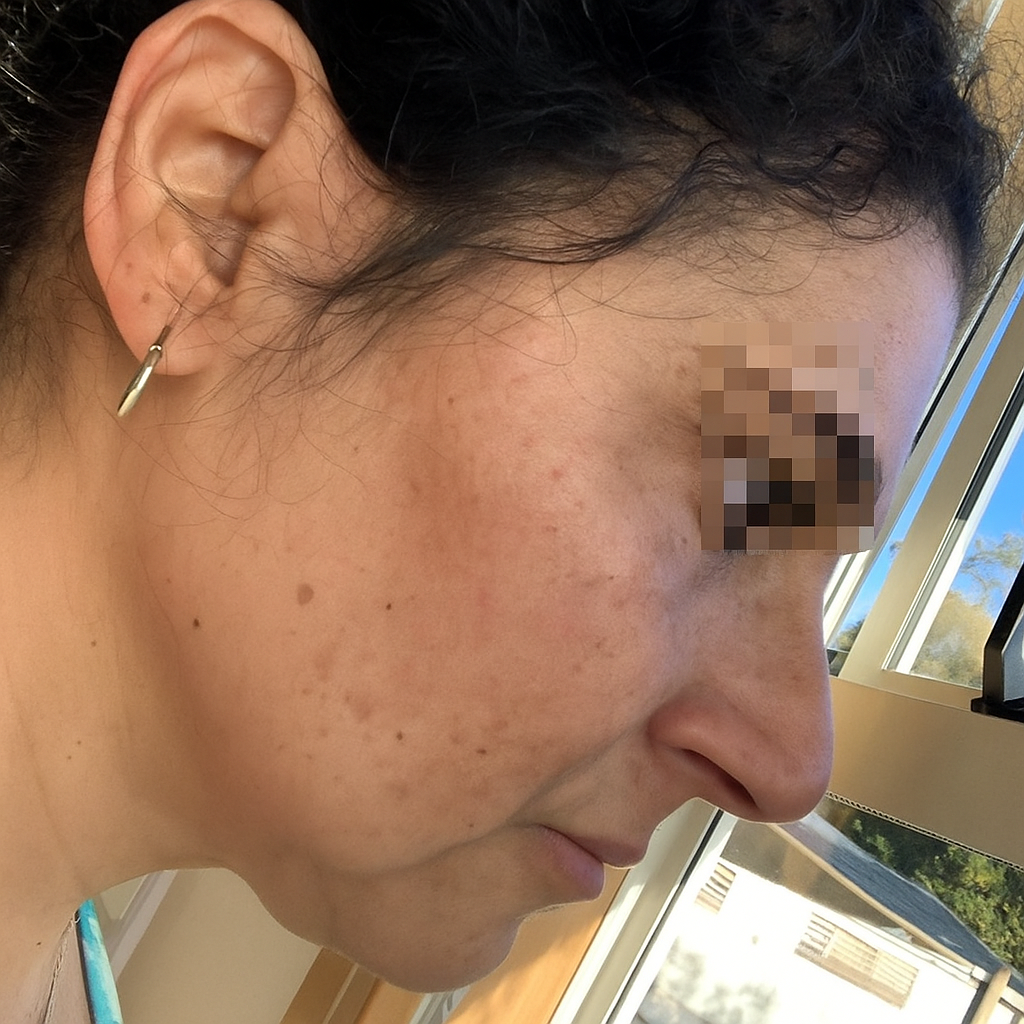
💫 What Exactly Is Melasma and Dark Patches?
Melasma is a type of hyperpigmentation – dark or grayish patches that usually appear on the cheeks, forehead, nose, or jawline. It’s not dangerous or contagious, but emotionally? It can be tough.
These marks have a way of drawing your attention every time you look in the mirror. And yes, they test your patience, but the good news is, they can be managed naturally and effectively.
There are effective ways to treat melasma, which can help manage symptoms, protect your skin, and address its emotional impact.
🌸 Why Does It Happen? (It’s Not Only Hormones)
Everyone says melasma = hormones, and while that’s partly true, it’s not the full picture. We are all women; we all experience estrogen fluctuations with our cycles, and even more so during pregnancy. Yet, not all of us get melasma. So what makes the difference?
Oral contraceptives are also a common hormonal trigger for melasma, as they can elevate estrogen levels and contribute to skin pigmentation issues.
The deeper story lies in inflammation – the quiet spark behind so many skin struggles. Hormones, medications, heat, and even friction from, say, exfoliating, especially when combined with sun UV radiation, can all inflame the skin, telling your cells to overproduce melanin. That’s how melasma begins. Understanding the causes can help minimize them.
🔍 6 Top Triggers
☀️ Sunlight & UV exposure – Even with SPF, overexposure can trigger pigment cells.
🤰 Hormones – Pregnancy, birth control, and hormone therapy often play a role.
🌡️ Heat & Friction – Saunas, hot kitchens, tight masks, or even over-cleansing.
🧴 Harsh skincare – Overuse of peels, acids, or chemical bleaches can worsen it.
🧬 Genetics – If your mother had melasma, you might be more likely to develop it.
💭 Stress & internal inflammation – Diet, lack of sleep, and chronic tension all add fuel.
👉 Treating melasma isn’t about attacking the spots — it’s about calming the storm underneath.
All of these triggers cause inflammation, so the solution should treat the inflammation and not worsen it with harsh chemicals, which will make things worse eventually. (You probably already know that)
🎨 3 Different Types
| Type | Description | Treatability |
|---|---|---|
| Epidermal | Shallow, brown patches on the surface | Fades faster with care |
| Dermal | Deeper, bluish-gray tones | Takes longer to treat |
| Mixed | Combination of both (most common) | Some areas fade sooner than others |
💡 Tip: Without proper sun protection, surface (epidermal) melasma can deepen into dermal melasma — so SPF is your new best friend. The sun is a great amplifier of any skin spot that would be little otherwise.
The treatment of melasma may be quicker or slower depending on whether it is epidermal, dermal, or mixed type, but you should see a progress after 2 weeks of daily use of our products.
Who Gets Melasma?
Melasma is a common skin condition that can affect anyone, but it’s especially prevalent among women, particularly those with darker skin tones. If you’re between the ages of 20 and 50, you’re in the group most likely to notice those grey-brown patches appearing on your cheeks, forehead, or upper lip. Hormonal changes are a major factor: pregnancy (often called the “pregnancy mask”), starting or stopping birth control, and hormone replacement therapy (HRT) can all trigger melasma. But it’s not just hormones – sun exposure and UV light are some of the biggest triggers, making strict sun protection a must for anyone prone to melasma. Using a broad-spectrum sunscreen every single day is one of the best ways to protect your skin and prevent melasma from worsening, no matter your skin type or tone. Sunscreen can prevent wrinkles, too, as a bonus.
🌿 Our Approach: Gentle, Consistent, Natural
Most conventional melasma treatments rely on bleaching (like hydroquinone) or aggressive peeling with acids and lasers. Prescription creams are also commonly used in conventional melasma treatment. They may temporarily lighten skin, but they often lead to inflammation, irritation, and rebound pigmentation.
We do things differently. At Beauty Fields, we believe melasma is best treated gently – to improve long-term results. Because your skin isn’t a piece of wood you can sand; it’s alive, delicate, and capable of healing when treated with respect.
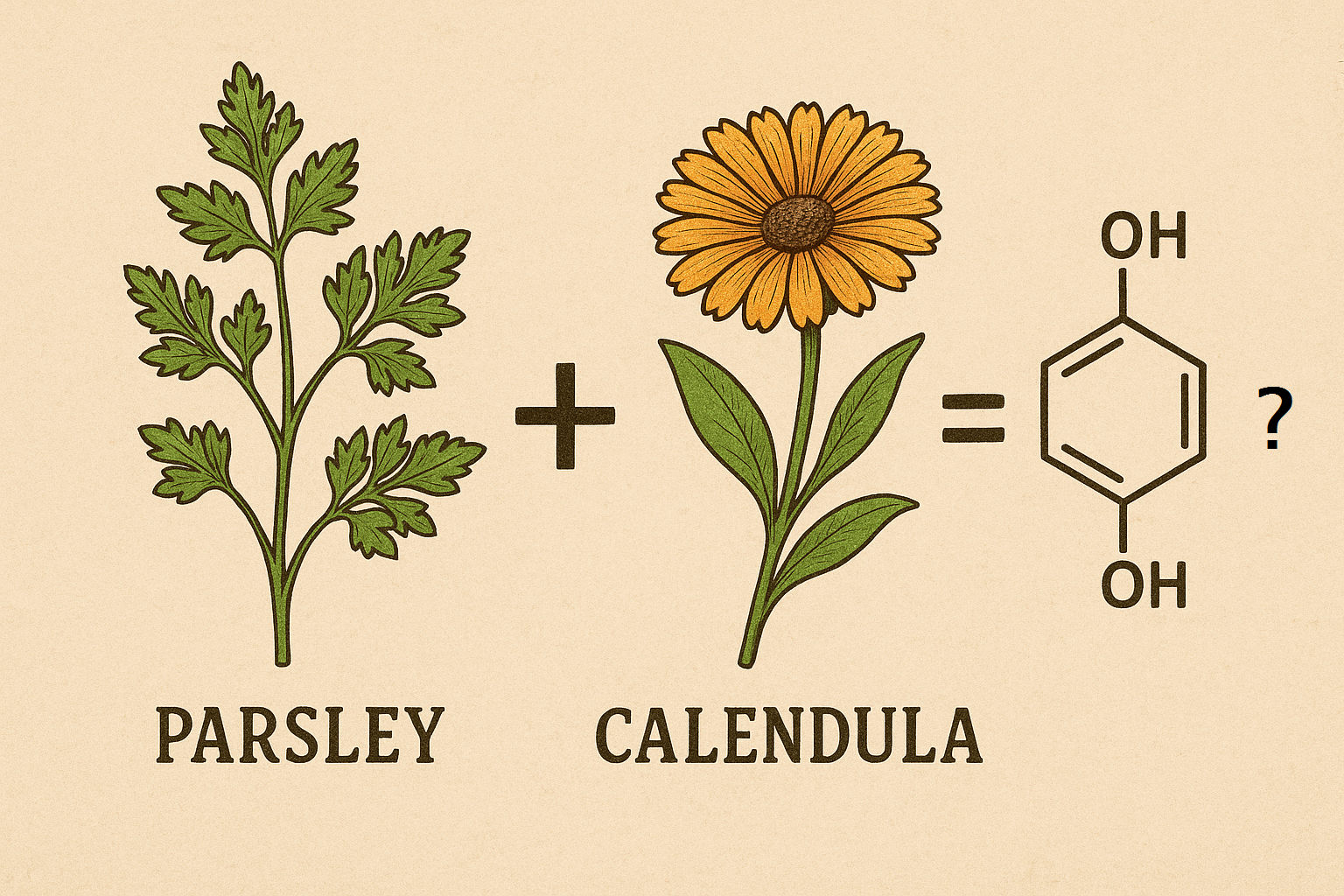
Gently fade, protect, repeat. That’s our philosophy. Here’s a summary of the relevant research behind parsley and calendula, the 2 herbs we use in our hyperpigmentation products, including evidence from a clinical trial conducted on facial melasma.
- Parsley: A small randomized trial in epidermal melasma found that topical parsley was approximately as effective as 4% hydroquinone in treating pigmentation on face over 8 weeks. Promising, especially because parsley doesn’t carry the same risks as hydroquinone.
- Calendula: Stronger body of data for anti‑inflammatory, wound‑care, and skin barrier‑soothing effects. While direct melasma-fading research is scarce, its gentle soothing properties can make a significant difference in keeping the skin calm.
- Bottom line: Research is limited but promising. And because our skin lightening products are affordable and gentle, you can try for yourself, and see how YOUR own particular skin responds in just a couple of weeks—without risking your health or your wallet. Cosmetic camouflage can also be used alongside gentle treatments to help conceal hyperpigmentation while waiting for results.
- Above all, we saw it’s working again and again. We can’t afford clinical trials, but we are trying to be fair to our customers every step of the way.
🍃 Our Melasma-Soothing Essentials
(Proudly made in New Zealand)
💧 Natural Skin Whitening Cream – The Best Cream for Melasma
Our all-natural melasma cream blends calendula, parsley, and skin-loving oils. It targets inflammation and pigmentation at once, gently brightening the spots.
🧼 Natural Skin Whitening Soap
Handcrafted with olive oil, calendula, and parsley — cleanses softly, never strips or dries the skin.
🌻 Nutrient-Rich Oils
A blend of olive, wheat germ, apricot, sunflower, and grapeseed oils — nourishes, strengthens, and helps restore a more even tone.
🪴 100% natural. No parabens. No bleach.
Just honest ingredients that love your skin back.
☀️ Everyday Habits for Better Melasma Care
✅ Daily Must-Haves:
- SPF 30+ mineral sunscreen (zinc oxide = gold standard. Protect your skin from the sun and soothe inflammation at the same time.) For comprehensive melasma prevention, choose a sunscreen combining protection against UV, visible light, and short wavelengths.
- Wide-brim hats and UPF clothing
- Avoid midday sun and excessive heat
- Fragrance-free and low-irritation products only
- Skip harsh scrubs and acid peels – even the “natural” ones
- Always patch test new products
- If it stings, burns, or tingles — it’s a “no.”
Less is more. Treat your skin like it’s precious silk.
Why sun exposure matters
Hyperpigmentation worsens with inflammation and UV/visible light. Over‑exfoliating or using harsh actives can spark a flare → more pigmentation. Botanicals that reduce inflammation (calendula) combined with pigmentation reduction (parsley) can help if used consistently and gently alongside broad‑spectrum mineral SPF. For melasma patients, it is especially important to choose sunscreens containing zinc oxide, as these can help block visible light in addition to UVA/UVB rays and calm inflammation at the same time. Blocking visible light is crucial because it can penetrate windows and contribute to melasma flare-ups, even indoors or while driving.
Light therapy is sometimes used as a treatment for melasma, but it requires careful application to avoid adverse effects, as improper use can worsen pigmentation.
And here’s the good news: unlike other harsh treatments, parsley and calendula are known for being skin‑friendly and safe!
The reality is that you can’t protect your skin 100% from the sun; it’s always a balance between minimizing sun damage and inflammation while treating the pigmentation that we can’t avoid.
Professional Melasma Care
When it comes to professional melasma treatments, there are several options that can help target pigmentation and improve skin tone. Dermatologists often recommend topical creams containing active ingredients like hydroquinone, azelaic acid, or kojic acid, which work to lighten dark patches and reduce pigmentation. Chemical peels are another popular choice: they exfoliate the skin, removing damaged cells and encouraging a more even skin tone. For stubborn or deeper melasma, certain lasers and laser treatments can be used to target pigmentation directly, breaking up the pigment and helping to fade dark patches. It’s essential to remember that not all treatments are suitable for every skin type, so consulting with a professional is crucial for finding the right approach for your skin. Bear in mind that these treatments are costly and have a common adverse effect: worsening pigmentation in the long run; hence, they have to be repeated yearly, usually in winter.
Melasma Recurrence: What to Know
One of the most challenging aspects of skin spots is their tendency to come back – even after successful treatment. Melasma relapses are common, especially if you let your guard down about the sun. To prevent melasma from returning, it’s essential to practice strict sun protection every day. This means using a broad-spectrum sunscreen with a high SPF, shielding you from both UV and short-wavelength visible light, and reapplying regularly. Avoiding hormonal triggers, such as birth control pills or hormone replacement therapy, can also help reduce the risk of recurrence. Remember, even a little sun exposure can reactivate pigment-producing cells, so staying vigilant is key. Our soap and cream can always back you up gently when you are exposed to the sun and restore an even complexion.
💬 Melasma is a Journey but it does not have to be so long
“I remember crying after spending thousands on brightening facials and laser treatments that barely helped. As a pharmacist, I knew there had to be a safer, natural way. That’s why I created Beauty Fields – gentle, effective, and kind skincare for real people.”
– Tsahallah Dror, Beauty Fields Founder
Melasma can fade and flare with hormonal changes, stress, and sunlight. It might lighten in winter, darken in summer – but with consistency, it will calm down faster than you’d expect.
Your melasma doesn’t define you. It’s just one chapter of your skin story – and it’s manageable. 🌿
❓ FAQ: Your Melasma Questions Answered
🩷 Melasma can fade significantly, especially after menopause when hormones stabilize, but it can also worsen just then. Maintenance and daily sun protection are key to keeping it under control. You can find a timeline of what to expect when using our products here.
🌿 The best treatment for melasma on the face is a gentle, long-term one. Do not stress your skin. Combine sun protection, calming skincare, and our melasma cream for visible, lasting results.
✨ Absolutely. Our natural melasma treatment works by reducing inflammation and supporting the skin barrier — you’ll usually notice improvement within 2–3 weeks of consistent use.
💄 Not at all! Just switch to gentle, mineral-based products. Over time, you’ll find you need less coverage anyway.
🤰 Yes, they’re 100% natural and safe. Probably cleaner than what you use now anyway. Still, we recommend patch testing as you should do with any skincare product, even when not pregnant.
Online Resources for Melasma
Online forums and support groups can be a great way to connect with others who understand what you’re going through, share tips, and find encouragement. They exist in many languages. Just remember: while online resources can be helpful, it’s always good to use critical thinking. With the right information and support, you can feel empowered to manage your melasma and make informed decisions about your care.
💚 Have more questions?
We’re always happy to help. Drop a comment or message – your skin story matters to us.